Artificial Intelligence is “consuming” resources: computers may become 40% more expensive
 1m, 24s
 2
2
13:56, 30.03.2026

The PC market is on the verge of new changes. In addition to the already familiar rise in prices for RAM (DRAM) and flash memory (NAND), another issue has emerged: a global shortage of central processing units. According to the latest data, CPU delivery times are stretching to several months, making the production of new systems more expensive and slower.
The consumer market is no longer a priority
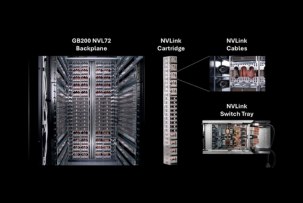
The main reason behind these changes is, once again, AI. Industry giants such as Intel, AMD, and TSMC are not creating excess capacity, and existing resources are being redirected to meet the needs of data centers.
We are seeing the following shifts:
- Previously, server chips were delivered within two weeks; now it takes 3–6 months.
- Intel has confirmed price increases for PC manufacturers.
- The most expensive chips are being allocated to the corporate sector, leaving the consumer market in shortage.
Production cannot keep up with market ambitions
Corporations are trying to expand production, but this requires billions in investment, up to 10 years of waiting, and even after launch, AI infrastructure remains the top priority.
Many companies are already experiencing supply shortages. For example, forecasts regarding Intel product shortages began to materialize earlier this year.
Unfortunately, even if the focus on AI decreases, shortages in the market are likely to persist for some time.
Forecast for 2026: what buyers should expect
In short: rising prices. Expensive and scarce memory and processors, whose prices continue to grow, will lead to an increase in the cost of end devices. Experts predict that by the end of 2026, the price of laptops and desktop PCs could rise by up to 40%.
At the moment, corporate demand is pushing the needs of regular users into the background.
Was this article helpful to you?
 Yes
Yes
 No
No
VPS popular offers
-10%


 Windows
€ 10.23 /mo
Billed annually
-10%


€ 149.04 /mo
Billed annually
-7.2%
 Linux
Linux
€ 6.89 /mo
Billed annually
-10%
€ 55.54 /mo
Billed annually
-10%
€ 77.54 /mo
Billed annually
-13.3%
Linux
€ 11.33 /mo
Billed annually
-21.5%
Windows
€ 26 /mo
Billed annually
-10%
Linux
€ 134.99 /mo
Billed annually
-9.3%
Windows
€ 53.99 /mo
Billed annually
-10%
Linux
€ 150 /mo
Billed annually