Air-Gapped Backups: Data Security with Physical Isolation
 3m, 21s
 2
2
12:57, 03.03.2026

Understanding Air Gaps
An air gap is a method for backup and recovery, which ensures that critical data is physically isolated from networks to prevent unauthorized access and damage to the information. This method ensures that backup data remains safe from ransomware, malware, and other cyberattacks by creating a true separation between primary systems and backup storage.
The traditional means for avoiding unauthorized access was physically moving the data from the computer to the offline storage device. However, now this method lacks convenience and adaptability to modern systems.
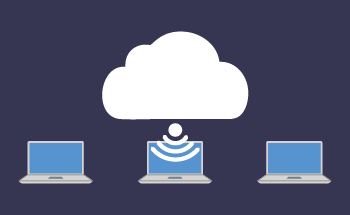
Air-gapped backups are specifically designed for cloud environments, and copy data to later store it in an isolated vault. From there, data can be quickly accessed, restored, and redirected to the needed location.
The Importance of Air-Gapping Technology
With the increasing sophistication of cyber threats, organizations must adopt robust security measures to protect sensitive information. Air-gapping is crucial because it prevents unauthorized access and minimizes the risk of data breaches. In an era where ransomware attacks are frequent, having a physically isolated backup can offer protection from catastrophic data loss.
Key Benefits of Air Gapping
- Protection from Cyber ThreatsSince air-gapped systems are physically separated, they remain immune to network-based attacks, including ransomware and hacking attempts.
- Resilience Against Insider ThreatsWith no direct digital connection, unauthorized employees or compromised credentials cannot tamper with the stored data.
- Data Integrity and ComplianceAir-gapped backups help organizations meet compliance standards such as GDPR, HIPAA, and NIST by ensuring data integrity.
- Recovery AssuranceIn the event of a cyberattack or system failure, organizations can rely on their air-gapped backups for swift recovery without the risk of compromised data.
Limitations and Challenges of Air Gapping
While air-gapped backups offer excellent security, they come with certain challenges:
- Management ComplexityManaging air-gapped storage requires additional resources and operational planning.
- Manual ProcessesWithout automated network connections, data transfer often involves manual intervention, increasing administrative overhead.
- Cost ConsiderationsImplementing an air-gapped solution requires investment in physical storage devices and security protocols.
- Limited Accessibility Since the backup is physically disconnected, accessing or restoring data quickly can be time-consuming.
Different Types of Air Gaps
- Complete Physical Air GapThe backup system is entirely disconnected from any network, requiring physical access for data retrieval or updates. This method implies having data stored at a great distance from the original source under physical security measures. With a complete physical air gap, data can be accessed only if one goes to the destination and retrieves it.
- Logical Air GapData is kept on a separate network or storage system with strict access controls and security measures like encryption, but it can still be connected temporarily when needed. This method is more aligned with the needs of digital systems.
- Virtual Air GapThis backup solution involves storing data in a separate environment within the scale of the original system. The same data center can be considered “the original system” in this regard; however, the virtual air gap provides data isolation since it’s being disconnected from its original network.
Steps to Implement an Air-Gap Network
- Identify Critical DataDetermine which data and systems require air-gapped protection.
- Choose the Right Storage Medium Options include offline hard drives, tape backups, or dedicated offline servers.
- Establish Secure Transfer Protocols Use encryption to transfer data securely.
- Regularly Update BackupsImplement a schedule to periodically update air-gapped backups without exposing them to network risks.
- Test Recovery ProceduresRegularly verify backup integrity and recovery processes to ensure reliability.
Cohesity’s Approach to Air-Gap Security
Cohesity, a leader in data management and security, incorporates air-gapped technology within its solutions to provide enhanced protection. Their multi-layer security strategy integrates advanced encryption and strict access controls to limit interactions with backup systems to only authorized personnel. To streamline operations, Cohesity automates the process of creating and managing air-gapped backups, minimizing manual intervention while improving overall efficiency.
By leveraging air-gapped backups, organizations can significantly enhance their cybersecurity posture and ensure the resilience of their critical data. While implementing an air-gap strategy requires careful planning, its benefits in preventing data loss and mitigating cyber threats make it an essential component of modern data security.
Was this article helpful to you?
 Yes
Yes
 No
No
VPS popular offers
-5%


 Windows
€ 12.1 /mo
Billed annually
-10%
 Linux
Linux
€ 17.43 /mo
Billed annually
-22.2%
Linux
€ 33 /mo
Billed annually
-10%
Linux
€ 27.92 /mo
Billed annually
-9.7%
Windows
€ 138.99 /mo
Billed annually
-21%
Windows
€ 65 /mo
Billed annually
-10%
Windows
€ 28.99 /mo
Billed annually
-10%
Linux
€ 50 /mo
Billed annually
-10%
Linux
€ 60.5 /mo
Billed annually
-7.2%
Linux
€ 6.4 /mo
Billed annually