Transition to 2nm Processors Will Drive Up Prices for New Flagship Smartphones
 1m, 21s
 2
2
13:37, 18.09.2026

The mobile device market is bracing for another wave of price increases as the production of cutting-edge chips becomes significantly more expensive. The transition to 2-nanometer technology, combined with rising prices for memory components, is forcing tech giants to revise development costs. As a result, end buyers of upcoming top-tier smartphones risk seeing new, higher price tags in stores.
Multi-Million Dollar Investments in Energy Efficiency
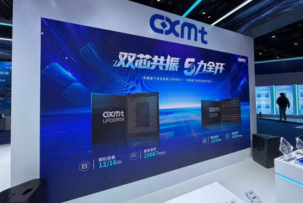
TSMC's shift to the 2nm process node has triggered another surge in mobile processor production costs, compounding the overall price hikes for RAM and flash memory. According to TaiSounds, citing supply chain sources, the cost of MediaTek's new Dimensity 9600 Pro chipset could reach a record $220 per unit. For comparison, the previous generation (Dimensity 9500) cost manufacturers between $180 and $200. Although contract prices depend on purchase volumes and remain trade secrets, this marks the first time MediaTek has crossed the $200 threshold.
At the same time, early benchmarks indicate that the process switch primarily targets significant power reduction and improved battery life rather than a massive leap in raw performance.
Competitors Set Their Own Price Records
The situation with alternative market solutions looks even tougher for device manufacturers. The Qualcomm Snapdragon 8 Elite Gen 6 Pro is expected to land between $240 and $260 per chip, while the Apple A20 Pro is estimated to cost around $260.
The simultaneous push of all key flagship SoCs beyond the $200 mark substantially inflates the total bill of materials for devices. Since vendors are unwilling to absorb these costs by lowering their profit margins, the extra expense will be passed directly to end consumers. This trend already evident in the pricing of the latest iPhone 18 Pro and Pro Max lineup.
Was this article helpful to you?
 Yes
Yes
 No
No
VPS popular offers
-10%


€ 149.04 /mo
Billed annually
-20.6%
 Linux
Linux
€ 59 /mo
Billed annually
-10%
Linux
€ 5.2 /mo
Billed annually
-24.7%
Linux
€ 31 /mo
Billed annually
-10%
Linux
€ 15.95 /mo
Billed annually
-10%
 Windows
€ 18.65 /mo
Billed annually
-10%
Linux
€ 25.25 /mo
Billed annually
-21%
Windows
€ 65 /mo
Billed annually
-12%
Linux
€ 8.33 /mo
Billed annually
-10%
Linux
€ 30.3 /mo
Billed annually