When Neurons Join the Server Room: Singapore Tests Living Computing
 1m, 44s
 2
2
13:55, 20.08.2026

Biological computing in Singapore has moved from its academic confines to be implemented in an active research setting. The DayOne, Cortical Labs and NUS Medicine initiative sees the inauguration of Singapore's first biological data center.
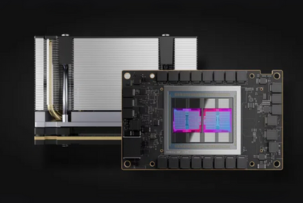
The technology is made up of 20 CL1 devices, which have been developed by Cortical Labs. In each device, there are human neurons which have been derived from stem cells, along with a silicon device. The technology created is termed as Synthetic Biological Intelligence or SBI.
The device CL1 can be described as a computer which uses living neurons as an integral component of the computing process. Here, the platform provides information regarding the virtual environment to the neurons, which generate electric impulses that influence the simulation.
From Pong to a New Type of AI
CL1 comes from DishBrain, which is an earlier experiment by Cortical Labs wherein about 800,000 neurons of human and mice were connected to CMOS chips. The system gained international fame because it was able to learn how to play Pong.
Cortical Labs wants to do something different now. They feel that biological computing can help artificial intelligence in cases where it becomes difficult to apply traditional models due to the lack of large data sets.
Biological neural networks can learn from very little data, and can adapt quickly when things change. This might be helpful in applications like research and robotics, among others.
How Biological Computing Could Change Everyday Technology
This project is important to us because it breaks the assumption that future AI requires bigger chips and bigger data centers. The biological computer may someday decrease energy consumption and lead to very different learning algorithms.
Of course, it's unlikely that your smartphone apps will run using live neurons. But such projects might affect the development of the next generation of AI algorithms, adaptation, and energy consumption.
If this story helped you change your perception of a computer, feel free to forward it to someone who is interested in artificial intelligence and biology. Subscribe to our social media channels and read more about technologies of the future in our other articles.
Was this article helpful to you?
 Yes
Yes
 No
No
VPS popular offers
-10%


 Linux
Linux
€ 5.2 /mo
Billed annually
-10%
Linux
€ 27.99 /mo
Billed annually
-10%
Linux
€ 15.95 /mo
Billed annually
-24.7%
Linux
€ 31 /mo
Billed annually
-21.5%
 Windows
€ 26 /mo
Billed annually
-5.3%
Windows
€ 15.67 /mo
Billed annually
-7.2%
Linux
€ 5.92 /mo
Billed annually
-10%
Linux
€ 16.45 /mo
Billed annually
-5%
Windows
€ 12.1 /mo
Billed annually
-13.3%
Linux
€ 11.33 /mo
Billed annually