NVIDIA RTX 50 SUPER GPU Prices at Risk Due to High GDDR7 Costs
 1m, 12s
 2
2
11:46, 24.07.2026

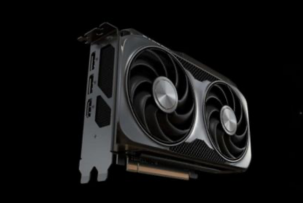
NVIDIA GeForce RTX 50 SUPER series graphics cards could see a significant price increase due to a sharp rise in GDDR7 video memory costs, which has already led to release delays. Emerging reports indicate that the use of advanced memory chips substantially inflates the production cost of the new graphics accelerators.
Threefold Cost Gap
The key factor here is the 3 GB GDDR7 memory modules, which cost $60–$70 per unit. In comparison, a baseline 2 GB module costs around $20.
This price gap noticeably increases the manufacturing cost of finished graphics cards and, consequently, their suggested retail price (MSRP).
Price Hikes for Partners
Manufacturing partners typically purchase the GPU processor and memory bundled together directly from NVIDIA.
"We received word that NVIDIA issued an announcement regarding price increases for GPU KITs (GPU + VRAM) supplied to its AIC partners, and it is widely known that this usually leads to higher memory costs," BenchLife reports.
BenchLife also notes that while partners already face substantial cooling and packaging expenses, these remain significantly lower than the cost of graphics memory.
What Should Retail Customers Expect?
At present, neither NVIDIA nor its official partners have commented on adjustments to suggested retail prices (MSRP). Brand manufacturers (ASUS, MSI, Gigabyte, etc.) have not yet announced an increase in the final retail prices of the cards either.
Nevertheless, the question remains open: will the rising component costs impact store shelf prices, and if so, by how much?
Was this article helpful to you?
 Yes
Yes
 No
No
VPS popular offers
-21%


 Windows
€ 65 /mo
Billed annually
-20.5%
 Linux
Linux
€ 57 /mo
Billed annually
-10%
Linux
€ 6.6 /mo
Billed annually
-10%
Linux
€ 7.1 /mo
Billed annually
-10%
Linux
€ 25.85 /mo
Billed annually
-10%
Linux
€ 41.13 /mo
Billed annually
-10%
Linux
€ 115.5 /mo
Billed annually
-9.7%
Windows
€ 139.49 /mo
Billed annually
-16.2%
Linux
€ 67 /mo
Billed annually
-4.4%
Windows
€ 17.36 /mo
Billed annually